

Choosing a Kitchen Island Extractor
A kitchen island extractor is a beautiful centerpiece that can transform the look and feel of your kitchen. They're also extremely practical, helping to keep your kitchen devoid of odours and air-borne grease.
There are a few various types of extractor to pick from including island chimney, ceiling and downdraft. All of which provide differing levels of extraction.
Selecting your design
Adding an extractor to your kitchen island is a fantastic method to include more performance to the space and also make it a centerpiece. Nevertheless, before you begin comparing various designs, there are a few things to bear in mind.
Firstly, it's crucial to bear in mind that your kitchen extractor must be able to clear the air successfully. For this factor, it is vital to evaluate the space offered and identify how large a hood you need. We recommend choosing a hood with a minimum of 100cm clearance from your cooker and other kitchen systems for safe usage.
Another thing to consider is how frequently you cook and how intensely you do so. This will assist you decide whether a downdraft, ceiling or island extractor would be best for your home.
Downdraft extractors are usually installed underneath your kitchen island and rise directly next to the hob when in operation. They can be ducted to either the outdoors or recirculated depending upon your choice, and they use a sleek, minimalist visual. However, they are not suitable for gas hobs and need a higher clearance from your hob than other extraction choices.
Ceiling extractors are typically installed to the ceiling above your island and can be vented either outside or recirculated, depending upon your choice. These are a more cost-efficient alternative than an island extractor, however they might not be as reliable at clearing the air in your kitchen.
Among the most popular designs of kitchen island extractor is a recirculating model. These models work by eliminating the heat and smoke from your kitchen before recirculating it back into the room, which can be a perfect solution for households that don't need to vent their extractor to the exterior.
When choosing an island extractor, it's also crucial to remember that the system will enter into your kitchen style and must fit flawlessly with the rest of your design. Our range consists of a variety of surfaces and styles to fit any kitchen, so it's easy to find an extractor that will match your existing colours and materials.
Setup
An extractor hood is an essential kitchen accessory to assist you clear and keep your cooking location, keeping surface areas without cooking vapours and grease. It likewise helps to make your food look its finest by distributing the heat equally and preventing it from pooling in areas where the heat tends to congregate, making it easier to tidy up.
If extractor fan for island considering installing an island extractor in your kitchen, then we would advise seeking advice from a professional for the setup procedure. They will ensure that the hood is effectively connected to your kitchen island and is fitted at the proper height, as well as ensuring it has adequate power to effectively clear your air area.
When it concerns choosing a kitchen extractor, there are several various types on the market to match all budgets and style choices. From standard chimney style hoods to minimalist flat designs, you'll find something to perfectly fit your kitchen aesthetic at CDA. We also use a selection of lighting alternatives, consisting of LED and halogen bulbs, which you can use to illuminate your kitchen extractor while developing a striking function in your house.
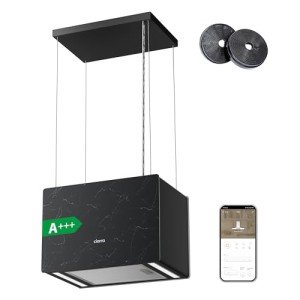
If your kitchen island belongs to an open-plan living and dining-room, you might wish to think about a downdraft extractor. This kind of hood is flush with the ceiling when not in usage, and rises into position to vent cooking smoke and vapours outside when triggered. This is a relatively simple system to set up, although it is not suitable for gas hobs and must be ducted to the exterior of your house, which can make this choice more expensive than wall or island hoods that don't need ducting.
Flush fitting extractor fans work by pulling the air upwards - it is then either pressed through a vent package in the ceiling to an external wall where it is vented outside, or recirculated through charcoal filters and returned into the space, removing the requirement for external ventilation. This is a budget-friendly choice for lots of people, and it can still be an effective way of clearing your kitchen's air of moisture, odours, heat and smoke.
Power
In addition to clearing the air, kitchen island extractors can likewise add a vibrant style declaration to your kitchen space. With many various designs to choose from, there's sure to be an alternative that fits completely with your preferred visual. The following options are perfect for those who wish to combine usefulness and style in their kitchen.
A stainless-steel hanging extractor fan is a fantastic choice for those who are looking to create a modern look in their kitchen. With the alternative of several various finishes, you can match your hood to the rest of your devices for a cohesive look. Additionally, our range includes alternatives with LED task lighting to assist you work efficiently in your kitchen.
In addition to a streamlined, modern appearance, our stainless-steel hanging cooker hoods are also extremely effective. They have adjustable extraction speeds, suggesting they can keep up with the amount of steam produced by cooking. In addition, our hoods include washable filters, which helps to reduce the quantity of grease and odours in the air.
Another popular option for those wanting to bring a more minimalist feel to their kitchen is a downdraft extractor. This type of hood is set up below the worktop and rises straight above your hob when it's in usage, drawing away moisture, smoke and odours from the environment. Like our island chimney hoods, downdraft extractor fans are offered in either duct or recirculation models.
In contrast to the downdraft, a ceiling extractor fan sits flush with your ceiling and is often remote controlled. This makes them the best alternative for those who are wanting to conceal their extractor in a less obvious place. However, this type of hood may not be as powerful as an island or wall chimney cooker hood and can struggle with larger gas hobs.
A newer choice is to install a hob with a built-in extractor, which is also known as a venting hob. These hobs have a cooker hood constructed into the centre of the hob and either vent out or recirculate air, depending upon which design you go with.
Upkeep
An extractor hood is a vital piece of kitchen devices, assisting to remove any grease, steam or unwanted food smells from your cooking area and home. However, if your hood becomes blocked it can result in the kitchen ending up being dirty and odourous, developing an unclean environment. Routine cleaning of your extractor fan is therefore crucial to ensure it works effectively and is kept in great working order.
The majority of extractor hoods utilize 2 various operating modes: extraction or recirculation air. In extraction mode, the filthy air is attracted and through a filter that separates grease from the fumes, before being redirected back into the room. The grease filters must be cleaned up routinely to prevent them from congesting and obstructing the vents. Some models might likewise have a carbon or charcoal filter that absorbs odours. These can be cleaned up with a degreaser spray or changed completely, depending upon the manufacturer's standards.
The fan motor and other parts of the hood ought to also be cleaned on a regular basis. This can be done by utilizing a damp fabric and washing-up liquid, or in many cases a professional degreaser might be required to completely clean the fan motor. Check the user guide to discover out if your particular design can be cleaned up, as some extractor fans can not be taken apart for cleaning and ought to be cleaned up by an expert.
If you pick an integrated extractor hood, it will be developed into the kitchen cabinetry of your kitchen, making it much easier to keep. This type of hood is also less costly than an island extractor and can be installed in the centre of your kitchen to develop a focal point.
Whether your hood is integrated or free-standing, it ought to be kept tidy to avoid the surface area from ending up being stained and oily. This can be finished with a damp microfibre fabric and some washing-up liquid or, if it's made from stainless steel, with Novy Stainless Steel cleaner. It is an extremely effective item which can be used safely on all surfaces. Integrated extractors can be cleaned in the exact same way as the rest of your kitchen cabinets to preserve a tidy, consistent look.